
Why playing feels like art in modern casinos
Why Playing Feels Like Art in Modern Casinos
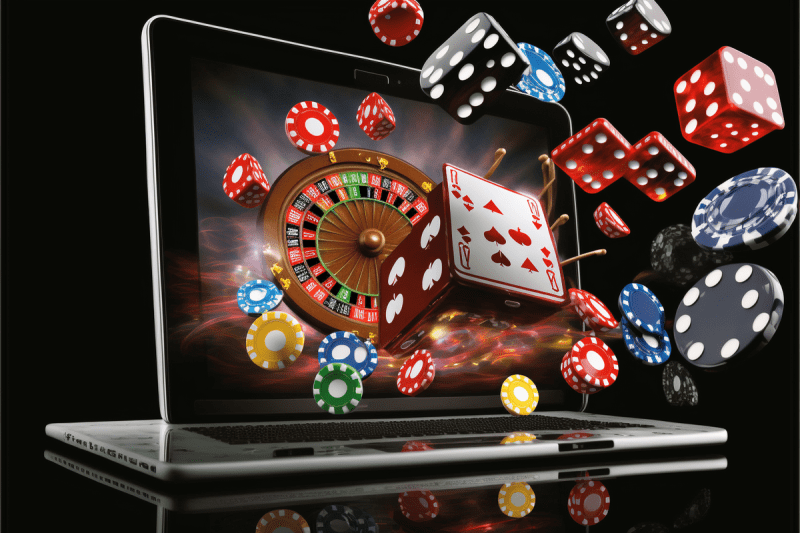
There’s a quiet elegance in how online casinos have evolved. They are no longer just spaces for placing bets, they’ve become digital arenas where design, psychology, and human creativity merge. The modern gambling experience often feels curated, as if each spin, card deal, or click forms part of a living canvas. It might sound odd, but gaming really does share an affinity with art.
When I first discovered how easy it is to play roulette on your mobile, it felt oddly personal, almost like being handed a small palette of colors to paint mood and chance in motion. You can be anywhere, yet feel connected to something crafted, something expressive. The screen, the sound, the rhythm—there’s composition in it.
Emotion and Aesthetic in Casino Play
The moment you enter a casino platform, there’s usually music or subtle tones guiding your feelings. Visuals shimmer, animations shift with intent. It’s not accidental. Developers spend months—or years—deciding how the light refraction on a spinning slot reel should appear. Oddly enough, these moments of brightness and anticipation carry artistic tension, much like a painter balancing contrast and hue on a canvas.
It’s not just about winning or losing, but about what happens emotionally between those two outcomes. That gap, that pause, is where play becomes expressive.
To understand this artistry, think of it through emotional layers:
- The surface layer—sound, lights, bonuses—captures attention, like bright colors.
- The interactive layer—how you click or bet—forms motion, a brushstroke’s direction.
- The reflective layer—how you feel afterward—creates meaning beyond the game.
Craft and Technology Behind the Experience
Behind every aesthetic moment on screen lies astounding craftsmanship. Design teams work side by side with mathematicians and artists to shape what players perceive. There’s symmetry in probability, visual rhythm in iconography. It’s perhaps the closest intersection of code and creativity in entertainment today.
Modern casino platforms are nothing short of collaborative art studios, where every pixel serves an emotional or practical purpose.
Here’s a brief peek into how those layers interact:
| Element | Role in Player Experience |
|---|---|
| Visual Art | Sets tone and introduces emotional cues. |
| Audio Composition | Shapes rhythm and pacing of engagement. |
| Mathematical Design | Balances fairness, unpredictability, and tension. |
Interactive Design: The Player as Co-Artist
I’ve always found it fascinating how interactive gaming design paints with human behavior. The player becomes both audience and actor. The choices made—whether cautious or daring—complete the unfinished artwork developers began. Unlike traditional art, this one reacts, adapts, sometimes surprises.
At times it feels meditative, at others impulsive. Both are real, both are legitimate shades of experience.
Consider this quick outline of what elevates interactive design beyond mechanics into art form:
- Player Intent: Every decision alters the outcome, adding layers of meaning.
- Feedback: Colors, visuals, or winnings respond dynamically, reinforcing emotion.
- Temporal Space: Unlike static artwork, play unfolds through time—living art, not fixed form.
Info: This dynamic connection has reshaped how casino reviews interpret games. Instead of rating only payouts or bonuses, reviewers increasingly note the aesthetic design, animations, and how “feeling” factors into immersion. true
The Structure of Games as Canvas
Even the rules themselves, the coded grid behind slots or hands of blackjack, carry the architecture of art. Structure provides balance. The rules, limits, and probabilities frame the chaos, much like brushstrokes restrained by geometry. Without that structure, the experience wouldn’t feel rewarding.
It’s interesting, too, how casinos (online especially) treat variety as form. Slot themes range from mythology to street food, each one presented like a distinct exhibition hall. Some are minimalist, others exaggerate aesthetics for sensory effect. Yet underneath, they all share rhythm, tempo, pacing—principles artists study.
| Game Type | Artistic Influence |
|---|---|
| Classic Slots | Retro design inspired by pop art, evokes nostalgia. |
| Live Dealer Tables | Blends cinematic aesthetics and human theater. |
| Roulette | Symbol of motion and symmetry, almost sculptural in presentation. |
Maybe that’s why so many players don’t just play—they savor. They notice things, like how a wheel slows or how music peaks during a bonus round. It’s subconscious appreciation for design. It’s emotional literacy, expressed through play, not words.
Conclusion
In truth, casinos mirror the human impulse to create and interpret beauty, even in places ruled by chance. Each click or shuffle reveals our fascination with rhythm, surprise, and control. Modern platforms have elevated gambling into something closer to participation in an aesthetic event rather than mere pastime.
Playing feels like art not because it looks good, but because it makes you feel, move, and respond as art does. That’s a remarkable transformation for a world once seen purely as games of fortune.